HIST 106T - History of Time
Time plays a central role in human affairs, from the hourly rhythm of a single day to the slow stages of an individual life to the organization of enduring human institutions. This course explores intellectual conceptions and cultural representations of time across cultures; scientific and socio-technological systems that have recast how we came to think about and experience time; as well as the role of time in structuring societies and their activities. Topics include but are not limited to the social lives ofclocks and calendars; the politics and technologies of labor time; the projects of chronological standardization; relativity theory and its impact; and the experience of time in the Anthropocene.
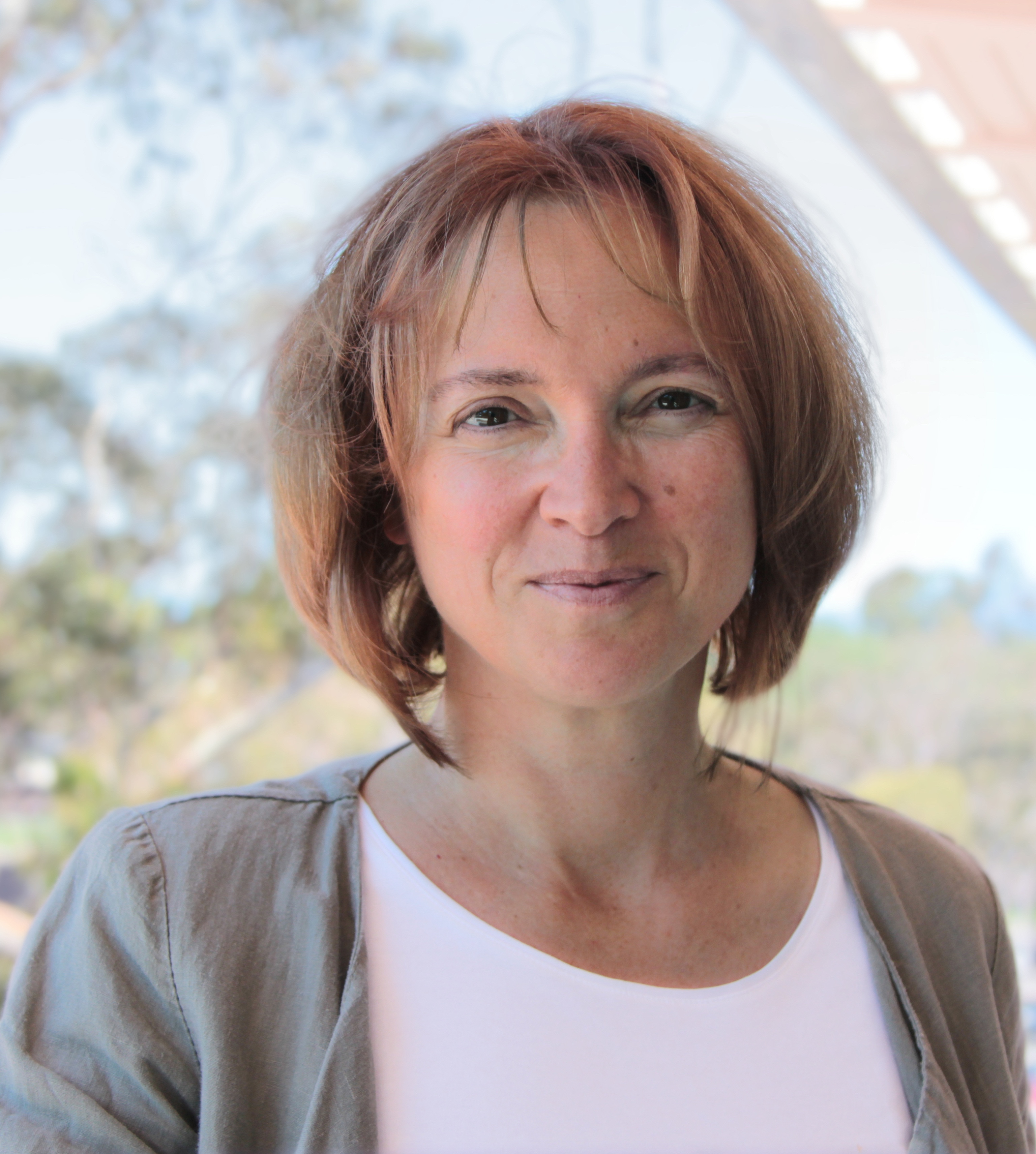 Elena Aronova
3.9
Elena Aronova
3.9