Advanced Statistics for Environmental Science . ENV S 126
Students will learn advanced concepts of probability and statistics, identify appropriate analyses to test hypotheses, and conduct all data analysis and visualization using current tools and practices within the field of environmental data science. Students will use environmental science topics to interpret and contextualize statistical findings. All work will rely on the R programming language, though no prior experience with R is required. Lower-division statistics and environmental studies will provide useful context for course material.
Prerequisites: PSTAT 5A or 5LS or Economics 5
4
UnitsOptional
Grading1
PasstimeNone
Level LimitLetters and science
CollegeThese majors only envst

Predicted Grading Distribution
Lecture
Sections
Enrollment Trends
Rate My Professors
3
3.0
She was extremely passionate about these topics. Her grading system was qualitative, which requires a lot of effort to get passing grades. My suggestions are to go into office hours especially TAs, ask questions, revise your assignments, and be ready to put in lots of hours to this class.
An is a great professor and explains concepts very clearly! There are many options for assignment extensions and revisions (using a token system that is based on attendance). The workload gets quite intense, especially if you have to revise previous assignments on top of the new ones. Very clear grading system.
Great teacher but super unreasonable grading.
 Ranjit Deshmukh
3.9
 Linda Krop
4.6
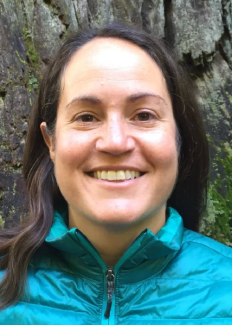 Julie Maldonado
4.8
 Dan Klemann
4.3