History of Trans-Eurasian Exchanges . HIST 184E
Eurasia is the largest geographical feature on earth. It gave birth to the earliest civilizations and fostered the antecedents of many modern cultures. Yet, in much historical writing, the regions of Eurasia are treated as isolated units with independent trajectories. This is an artifact of nationalism and ignores the key role that trans-Eurasian interaction played in world history. This course investigates the movement of people, technology, ideas, and images across Eurasia from 3,000 BC to the present. It encourages one to think of a past world without national boundaries, a vast interconnected organism inside which materials and ideas were transmitted in all directions, adapted to the cultural and environmental needs of specific areas.
Prerequisites: History 2A, or 2B, or 2C, or 4A, or 4B, or 4C, or 80
4
UnitsOptional
Grading1, 2, 3
PasstimeNone
Level LimitLetters and science
College
Predicted Grading Distribution
Lecture
Enrollment Trends
Past Enrollment Trends (1)
Grading Trends (2)
Rate My Professors
48
3.6
great professor and Sinologist. Learned a lot.
SO many canvas quizzes that I would say are all moderately difficult. final essay is time consuming. everything in this class is time consuming. 90 % chance I get an A this quarter (fingers crossed) but summer session B is not for the weak. Professor is MIA the TA does everything. My TA (Wendy) was sweet. Late work is somewhat permitted.
The class itself was interesting and I really liked it, but the amount of homework he assigned per week was astronomical. I did his online summer course, session B, and in the last week of the class, he assigned 8 assignments, not including all the lectures you have to watch, all the reading, and the final essay.
…………………………..
interesting lectures, not too much homework
I took this class during Summer of 2021 during Covid so the class was asynchronous. This class has probably 20+ hours of lectures that you have to watch and understand to take the quizzes. The lectures had good content but had poor audio quality. There were 2 papers that need to be very well organized. The course was interesting but time consuming.
 Xiaowei Zheng
4.5
Xiaowei Zheng
4.5
 Luke Roberts
4.2
Luke Roberts
4.2
 Kate McDonald
4.5
Kate McDonald
4.5
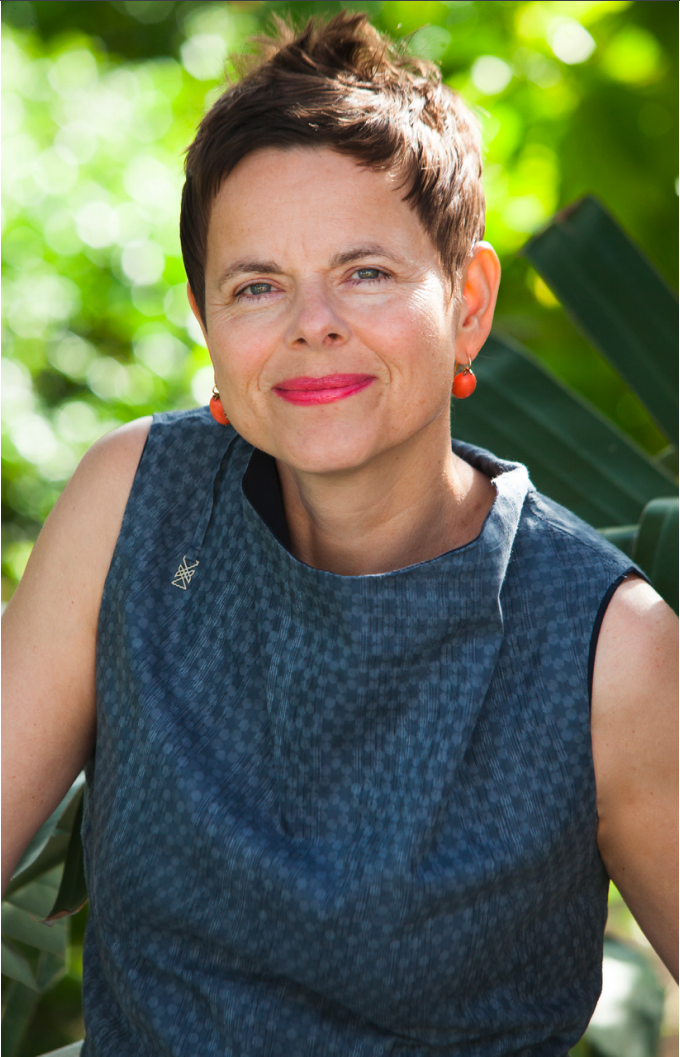 Sabine Fruhstuck
3.6
Sabine Fruhstuck
3.6
 Lisa Jacobson
4.0
Lisa Jacobson
4.0